My mother drinks another glass of wine and begins to cry; she weeps and continues slowly through her tears:
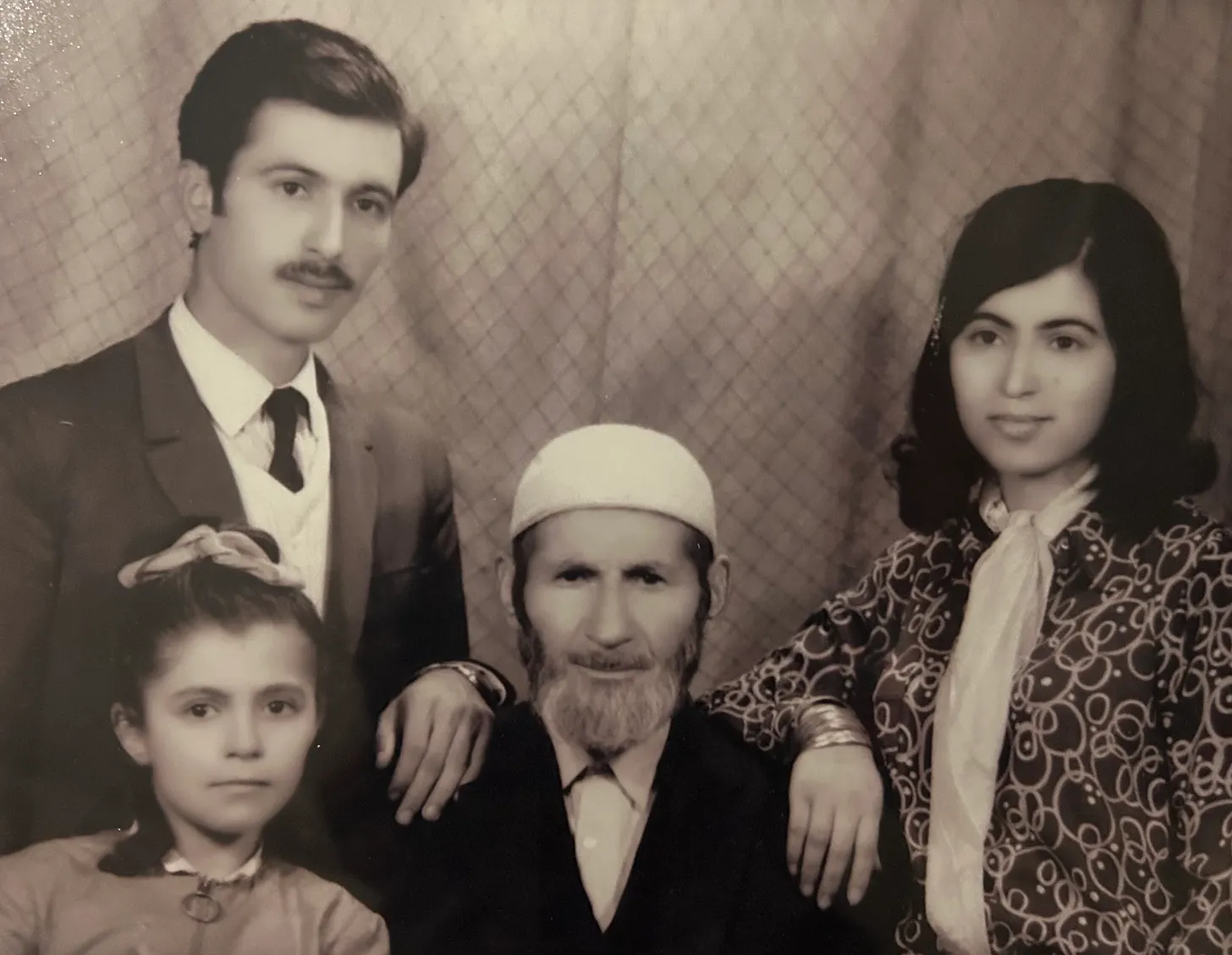
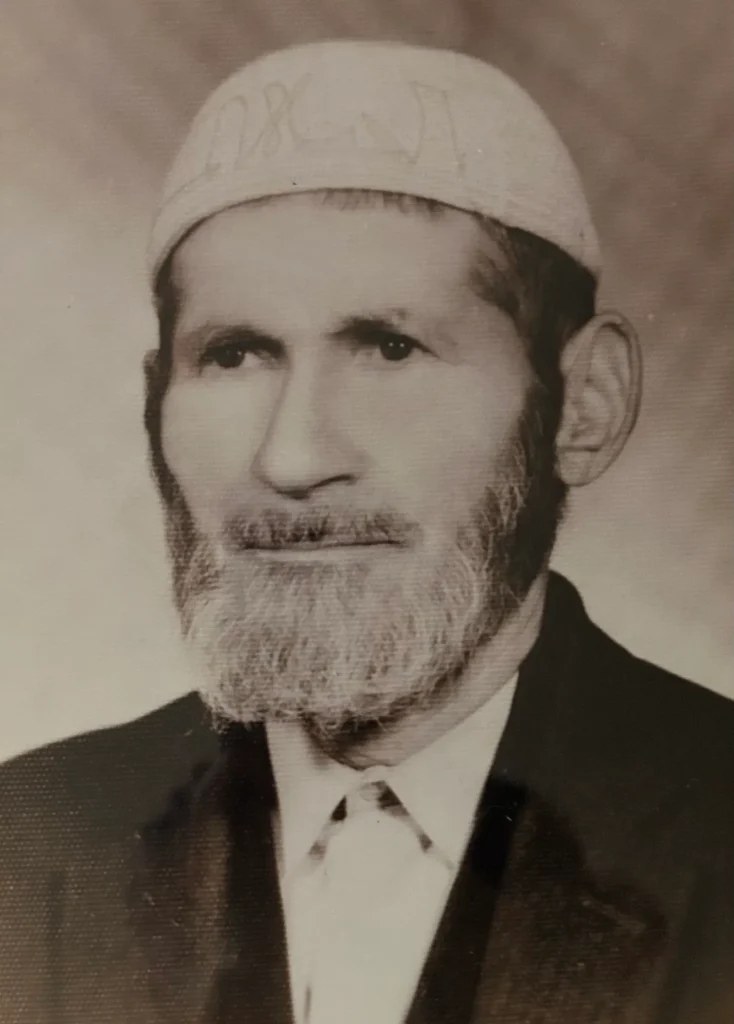
“My father wouldn’t leave the mosque during the month of Ramadan. I was the youngest of the house, the ‘errand girl’ of the home; I would take the suhoor and iftar meals my sisters prepared and pass them to my father through the mosque windows. I could only see his hands—they were white hands, delicate hands. He would take the food from my hands and say, ‘Well done, my daughter, long life to you, may God be pleased with you,’ and then close the window. At the end of Ramadan, he would perform the Eid prayer at the mosque on that final morning and then come home.”
She is calm; I try to soothe her a little more, wanting her tears to subside, wanting her to stop crying and just speak. She weeps and says:
“Whenever my father came home, he and my mother would always argue. Whenever their voices rose, my mother would call him ‘Miskow’…”
“Miskow? What is Miskow?” I ask my mother.
“I used to wonder too; I thought they called good Muslims ‘Miskow.’ What was I saying? What was I talking about? It was strange; during Eids, everyone had friends and relatives visiting, but my father had no one. Only my mother’s side would come for the holiday. There was an old woman in our alleyway; my father would only go to visit her.”
My mother’s tears intensify. I think it is the effect of the wine, but no—it is because of the tragedies of her life. With sobs, with a weeping that clearly moans from deep within her soul, she continues, and in our wine-filled night, I learn new details of her life.
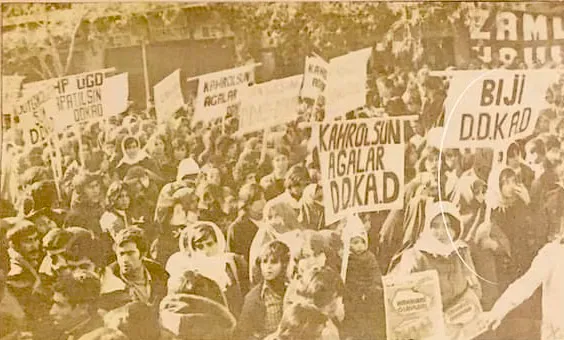
My mother’s name is Rahime; she was born in Siverek in 1961. Amidst the sounds of Kurmanji and Zazaki, she grew up speaking Turkish. In the early 1980s, during the years she was studying English at university, she was imprisoned under Turkish laws for protesting and campaigning for the Kurdish language.
My mother remained in prison for nearly two years. In prison, she would say, “A great shame, a heavy embarrassment—I am in prison for Kurdish, yet I do not know Kurdish.” Later, she was released, she learned Kurdish, and thanks to her English, she found a job in a company and began to work.
In 1985, they sent her word: “Come, your father is on his deathbed…” My mother got up and went to Siverek; she found her father in his sickbed. She took her father’s hands—those delicate hands, those white hands, those hands from which life was fading. In the throes of death, her father began to murmur. “What are you saying, father? What do you want?” my mother asked. With a voice barely audible, he said, “Rahime, take me to Kharpert, my daughter… take me to Kharpert.”
“Miskow” and “Kharpert” became mysteries for my mother. Her father died. At home, they gave her a few old papers and said, “We will go wash him at the mosque; you go and get his death certificate.” When my mother went to the civil registry office to issue the certificate, she saw a name on one of the documents: Sarkis. The name Sarkis had been crossed out/blacked out, and Hüseyin was written over it. There was also a stamp on the paper in red ink: Mühtedi.
After the burial ceremony and the first hours of the wake, my mother could not contain herself and asked the elders of the family about the matter of Sarkis. At first, no one spoke, but then, story led to story.
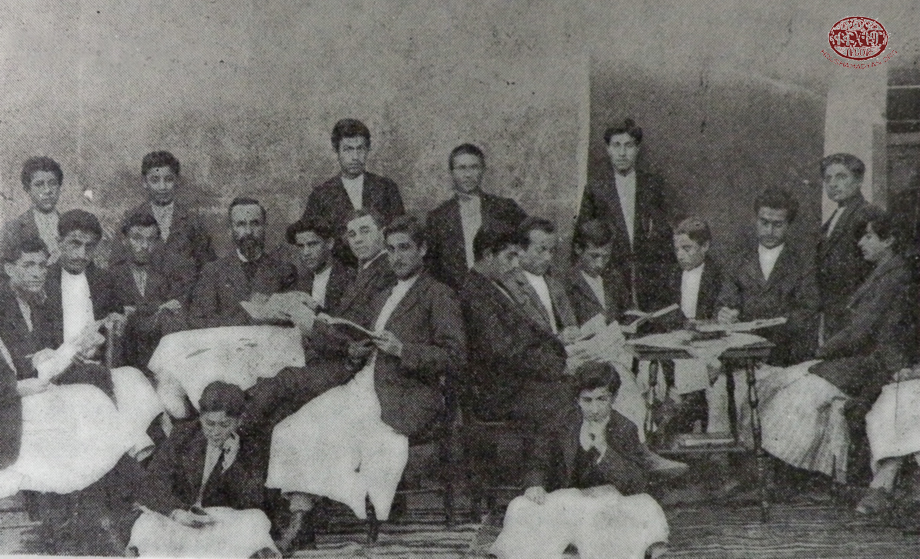
In 1915, the year the Armenians were killed, my mother’s father, Sarkis, was eight years old. A Muslim family took him in, circumcised him, and named him Hüseyin.
“Sarkis, Hüseyin, Mühtedi, Kharpert, Miskow—likely Moscow…” My mother was in shock; her anger rose completely, and she screamed and cried—crying even more than she did during our wine-filled night.
When my mother asked, “Why did you hide this from me until now?” the elders told her, “Because you were studying at university and you went to prison, we didn’t tell you the story.”
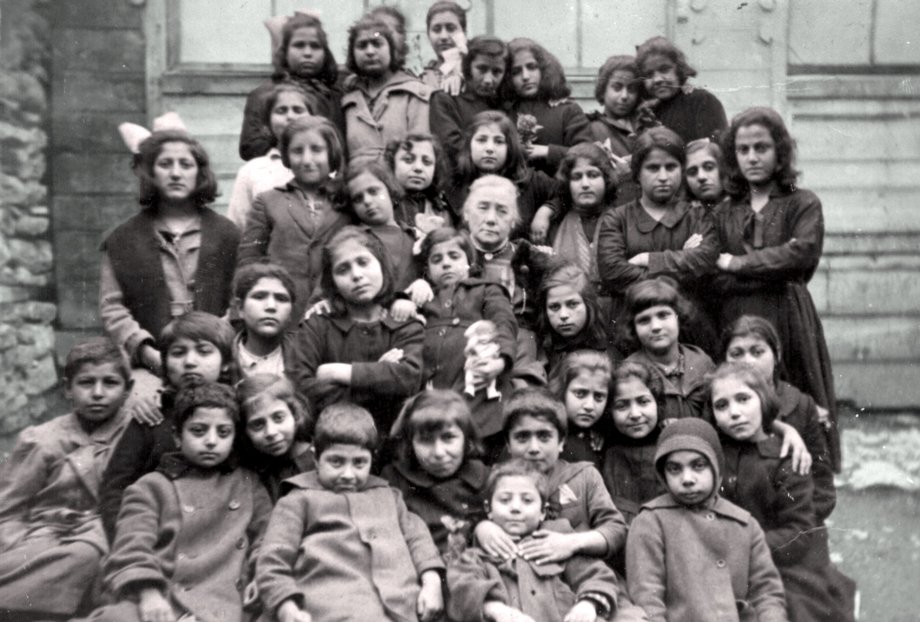
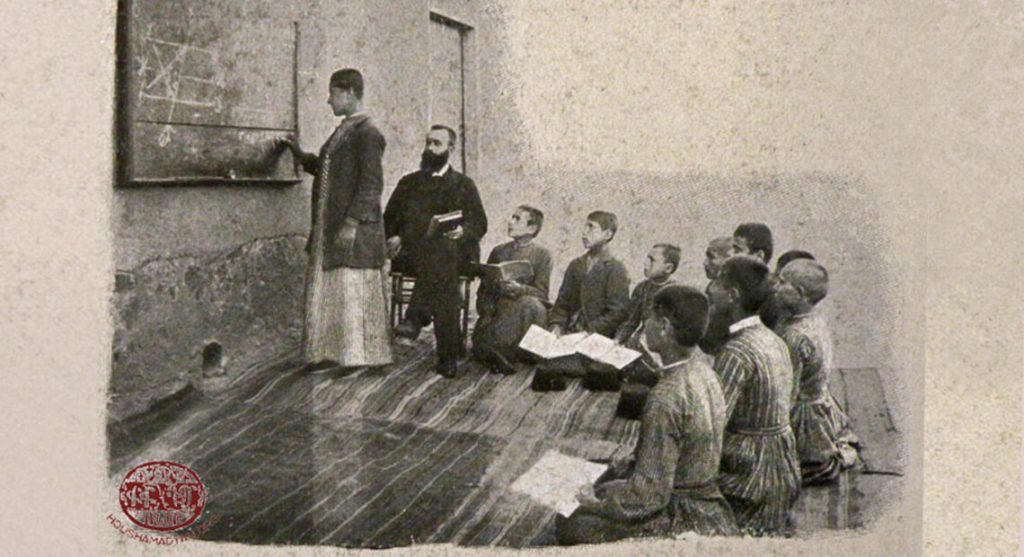
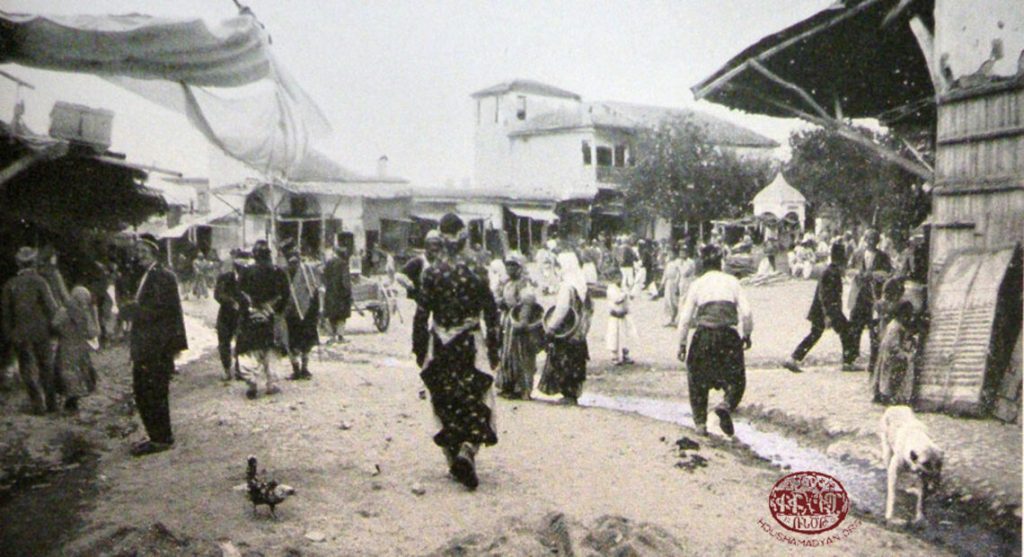
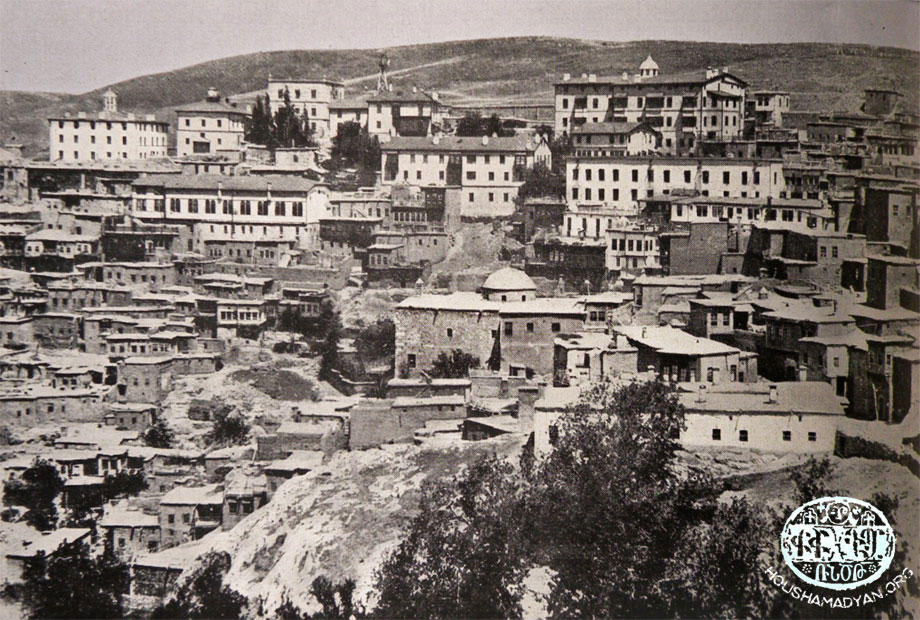
Later, she even went as far as Armenia; she looked through church registers for her father and found more details: My mother’s father’s family was from Kharpert; her father’s father had been a diplomat and was considered a distinguished man of his time. Her father had sisters, Mari and Anna, who attended the French school in Kharpert.
My mother weeps; my eyes, too, are filled with tears. I take my mother’s hands—her white hands, her delicate hands, hands that still have life in them.
“Mother,” I say. “Mother, shall we go to Kharpert one day?”
Guhdar D.
The original version of this letter is in Kurdish and was featured on the Perxudres Podcast.